
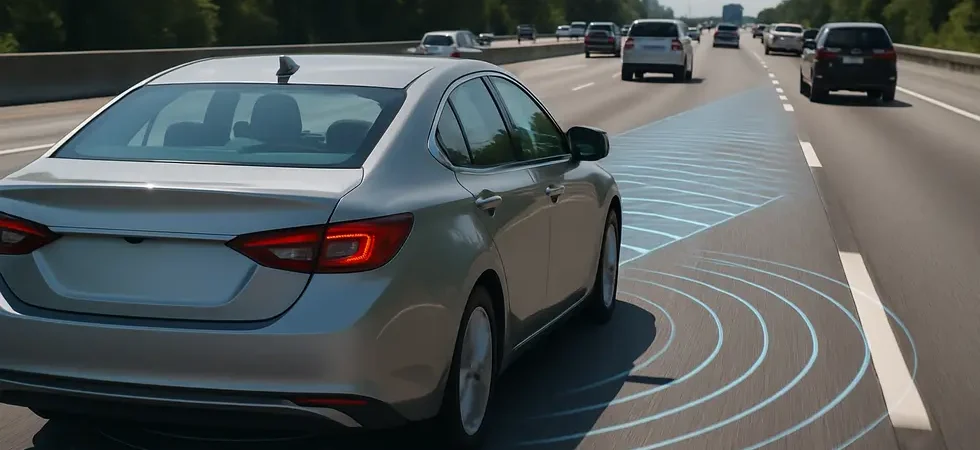
Car accidents remain a leading cause of injuries worldwide, often resulting in tragic outcomes for those involved. While we can’t control every driver or road condition, modern car safety features are designed to significantly reduce the risk of injury during a traffic accident. Whether you’re concerned about personal safety or want to protect loved ones, understanding these vital safety innovations can make a real difference. Explore the top features that can help prevent injuries and save lives in today’s vehicles.
Advanced Driver Assistance Systems (ADAS): Your First Line of Defense
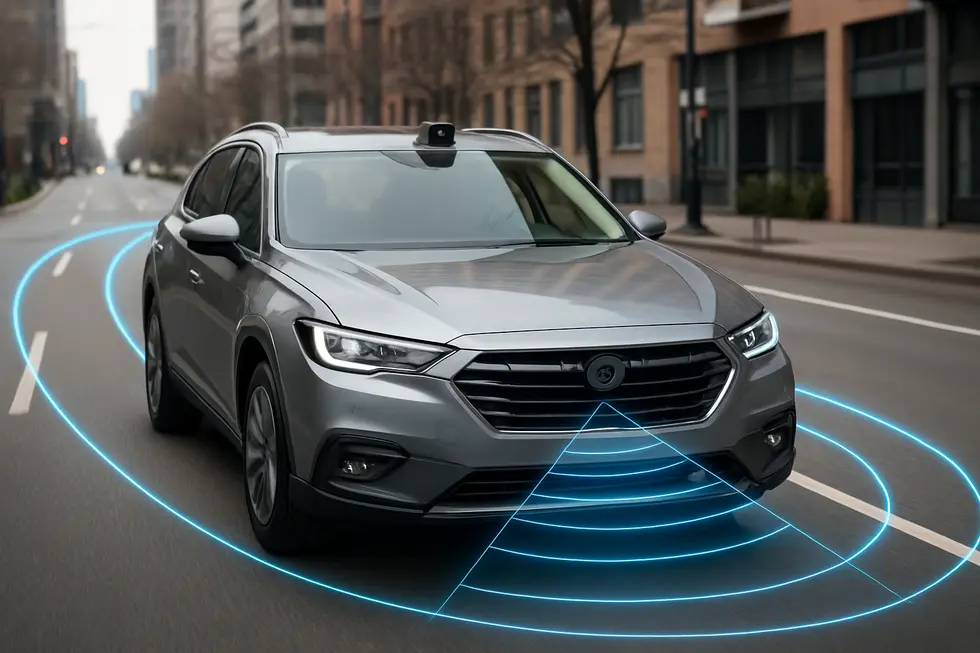
Modern vehicles are increasingly equipped with sophisticated sensors and cameras that serve as the backbone of Advanced Driver Assistance Systems (ADAS). These technologies work seamlessly to monitor your surroundings, providing real-time data that helps prevent accidents and enhances overall safety. Features like lane departure warning systems utilize cameras mounted on the windshield to detect lane markings. When drifting unintentionally occurs, the system alerts the driver with visual or audible signals, prompting corrective action before the vehicle veers off course.
Adaptive cruise control takes traditional cruise control a step further. Using radar sensors, it maintains a set speed while automatically adjusting to the flow of traffic. If a vehicle ahead slows down, the system reduces your speed accordingly, ensuring a safe following distance without requiring constant driver input. This minimizes the risk of rear-end collisions caused by distracted or delayed reactions.
Collision avoidance systems incorporate multiple sensors and cameras to identify potential hazards ahead, such as other vehicles, pedestrians, or stationary obstacles. If the system detects an imminent collision, it can activate warnings or even apply automatic braking to mitigate impact or prevent it altogether. These features act as an additional safety net, especially in complex driving environments where quick judgment is critical.
Driving in congested traffic can be stressful, increasing the chance of errors. ADAS helps manage this by providing advanced alerts and interventions that keep you aware of your surroundings and ready to respond. For instance, blind-spot monitoring uses sensors to detect vehicles approaching from behind in adjacent lanes, alerting the driver through visual or tactile signals if they attempt a lane change unsafe for the surrounding traffic.
The integration of these technologies transforms driving from a manual task into a cooperative interaction between driver and vehicle. They serve as an early warning system, alerting you to potential dangers before they escalate. This proactive approach to safety is vital because it compensates for human limitations such as distraction, fatigue, or misjudgment.
For those interested in staying informed about the latest traffic conditions that can influence ADAS performance, exploring real-time traffic alerts can be highly beneficial. Regular updates help adapt driving strategies to current road situations, enhancing safety and efficiency. You can check out more about real-time traffic updates at this resource. Ensuring your vehicle’s safety systems are functioning properly and understanding their capabilities can make a significant difference in critical moments, turning technology into a reliable ally on the road.
Electronic Stability Control (ESC): Maintaining Control in Critical Moments
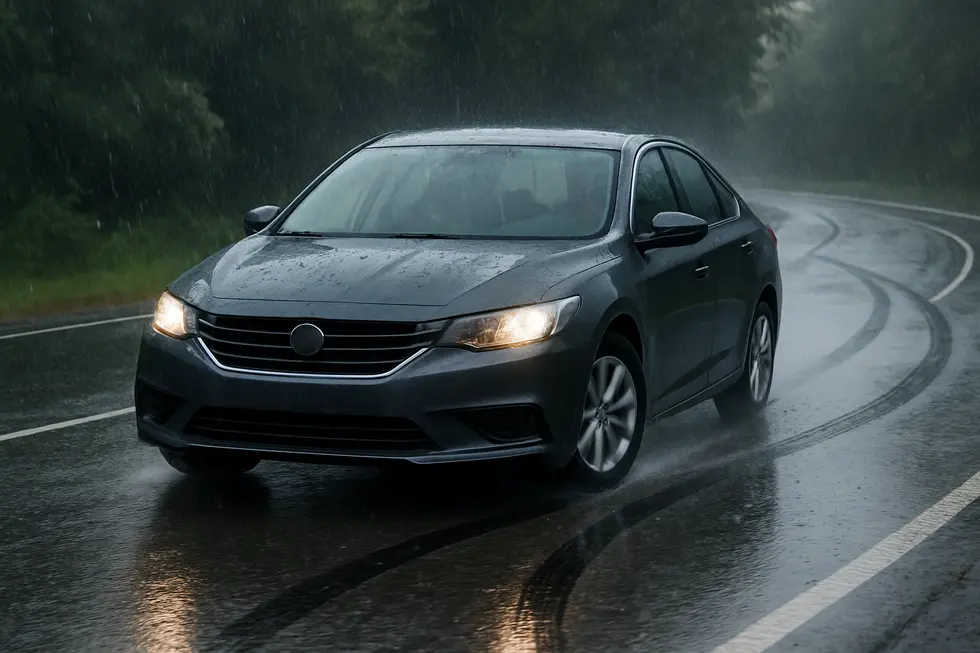
When roads are wet, maintaining control becomes significantly more challenging, especially during sharp turns. Electronic Stability Control (ESC) systems are crucial in these moments, working tirelessly to prevent skidding and loss of control. Picture a vehicle navigating a rain-slicked curve, with dark tire marks marking previous attempts to brake or turn too sharply. As the driver initiates a turn, sensors detect the vehicle’s orientation, steering angle, wheel speed, and yaw rate in real time.
If the system senses that the car is starting to slide sideways or lose grip—indicators of potential oversteering or understeering—ESC automatically intervenes. It does this by modulating engine power and selectively applying brakes to individual wheels, helping the vehicle regain stability. For example, if the car begins to slide outward on a sharp turn, brakes on the outer wheels are applied, counteracting the skid, while reducing engine power accordingly.
This technology acts almost like an unconscious partner on the road, especially helpful in unpredictable conditions like rain or snow. In fact, ESC can be the difference between maintaining control and a collision in critical moments. It continuously processes data that a human driver might not notice swiftly enough, such as slight changes in yaw or wheel slip, making precise adjustments before the driver even perceives the danger.
The effectiveness of ESC is especially apparent on roads with visible skid marks, hinting at previous accidents where driver control was lost. These safety systems are designed not just to prevent accidents but to keep drivers moving safely through hazard-laden conditions. Many accidents on wet roads occur because of delayed reactions or overcompensation when losing traction.
Adapting to these perilous moments requires quick, automatic responses—something ESC provides consistently, no matter how stressful or confusing the driving situation. In some cases, it can intervene subtly, guiding the car back into proper alignment without the driver even realizing the system was active.
To fully appreciate the importance of ESC, consider it as an additional safety layer that works behind the scenes, complementing other technologies like Anti-lock Braking Systems (ABS) and Traction Control. These combined features help drivers steer clear of hazards by maintaining optimal control, especially during unforeseen slippery conditions.
Driving on wet roads with active stability control becomes less daunting because of the system’s ability to adapt instantaneously. When navigating tricky turns, the car remains steadfast, reducing the risk of skidding or spinning out. This proactive assistance allows drivers to feel more confident and focused, knowing that their vehicle can handle critical moments with precision.
For those interested in enhancing their safety on rain-drenched streets, understanding these features and how they work can foster more awareness and appreciation of your vehicle’s intelligent systems. You might also want to explore real-time traffic alerts in your area, which can help you avoid sudden weather changes or hazardous conditions altogether, further reducing the chance of losing control. Learn more about the benefits of such safety measures at Houston Traffic Alert.
Airbags and Seatbelts: The Classic Guardians of Safety

When it comes to vehicle safety, airbags and seatbelts serve as the foundational protectors during collisions. Their effectiveness is backed by decades of development and countless real-world instances where they have significantly reduced injury severity and saved lives. Inside a typical vehicle, you can observe a dramatic scene: during a collision, multiple airbags deploy in a split second, inflating rapidly to cushion passengers from impact forces. These airbags—front, side, curtain, and knee—are strategically positioned to shield critical areas of the body, dispersing crash energy and reducing the likelihood of severe injuries.
In tandem with airbags, seatbelts are perhaps the most straightforward yet essential safety feature. When passengers buckle up, their bodies are restrained, preventing contact with the interior components or being ejected from the vehicle. Properly worn seatbelts distribute crash forces across sturdier parts of the body like the pelvis and chest, minimizing injury risk. The physics behind seatbelts is simple but powerful—they convert rapid deceleration from a crash into controlled motion, reducing the chance of whiplash or more serious trauma.
Real-life crash simulations and accident reports repeatedly emphasize the importance of these features working together. In a collision, the sudden deceleration causes unrestrained occupants to lunge forward unpredictably, often hitting hard surfaces or being thrown out of the vehicle. Seatbelts prevent this by keeping passengers securely in their seats, while airbags absorb the impact energy. The coordination between these systems is vital; without seatbelts, airbags alone cannot prevent injuries caused by secondary impacts or ejections.
The deployment of airbags is often coordinated with seatbelt usage, triggered by sensors that detect rapid deceleration and force. Once activated, airbags inflate within milliseconds, creating a protective cushion. Modern vehicles are increasingly equipped with multiple airbags to cover various angles of impact, offering comprehensive protection. Meanwhile, seatbelt reminders and pre-tensioners ensure that occupants are properly secured before the vehicle even begins moving.
This integrated safety approach is crucial, especially as roads become busier and traffic conditions more unpredictable. Wearing a seatbelt is a simple habit that dramatically increases your survival odds, especially when combined with the proper functioning of airbags. For drivers and passengers alike, it’s a reminder that these classic safety features, often overlooked in the era of advanced driver-assistance systems, remain vital. They serve as the first line of defense, significantly reducing the severity of injuries during traffic accidents. To learn more about the evolving landscape of vehicle safety and other protective technologies, visit Houston Traffic Alert.
Collision Mitigation and Emergency Brake Assist
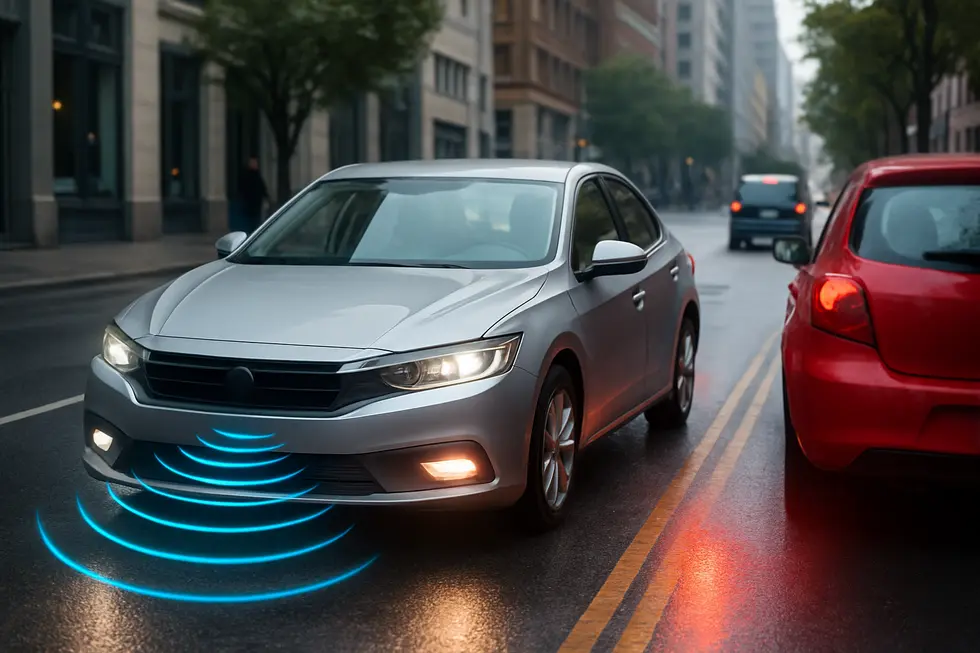
When approaching a sudden obstacle, such as a pedestrian stepping onto the street or an unexpectedly stopped vehicle, modern vehicles equipped with collision mitigation systems and emergency brake assist can make a crucial difference. These safety features use a combination of sensors, cameras, and radar technology to monitor the road ahead continuously. If the system detects an imminent collision and the driver does not respond in time, automatic emergency braking (AEB) can activate to reduce the severity of the impact or avoid the collision altogether.
In a typical scenario, the vehicle’s forward-looking sensors identify an obstacle that the driver might not have seen in time, especially in sudden or complex traffic environments. As the system calculates the threat level, it initially warns the driver through visual or auditory alerts. If the driver does not respond swiftly, the vehicle’s braking system intervenes, applying force to slow down or stop the vehicle. This intervention is particularly vital in urban settings or high-speed traffic, where reaction times can be limited, and accidents happen within seconds.
Automatic emergency braking is designed to act faster than human reflexes. Its effectiveness relies heavily on the precision of sensor data and the system’s ability to distinguish between real threats and false alarms. Advanced systems also incorporate collision mitigation algorithms that can adapt their response based on factors like vehicle speed, distance to the obstacle, and the relative size of objects detected. These sensors operate in all weather conditions, providing a vigilant safety net during fog, rain, or nighttime driving.
Emergency brake assist works synergistically with traditional braking systems. If it detects that the driver has applied only partial braking or none at all during an emergency, it can provide additional braking force to maximize stopping power. This feature is especially beneficial in panic situations, helping prevent rear-end collisions or run-over incidents.
The importance of these systems becomes even clearer when considering real-world traffic environments, where unexpected hazards are common. Vehicles with advanced collision mitigation can significantly reduce the chances of severe accidents, saving lives and reducing injuries. To stay safe and informed about your surroundings, it’s also helpful to stay updated with traffic alerts, which can help you anticipate potential hazards early enough to avoid relying solely on emergency systems. For example, checking real-time traffic conditions on local alerts ensures you are aware of sudden changes on routes or upcoming obstacles.
While these features are highly effective, they work best when combined with attentive driving practices. Drivers should remain alert, avoid distractions, and maintain sufficient following distances to give these safety technologies the best chance to intervene effectively. As vehicle safety technology continues to advance, collision mitigation and emergency brake assist are becoming indispensable tools in reducing traffic-related fatalities and injuries, providing a vital layer of protection that can make the difference between life and death during abrupt obstacles on the road.
Pedestrian Detection Technology: Protecting Vulnerable Road Users
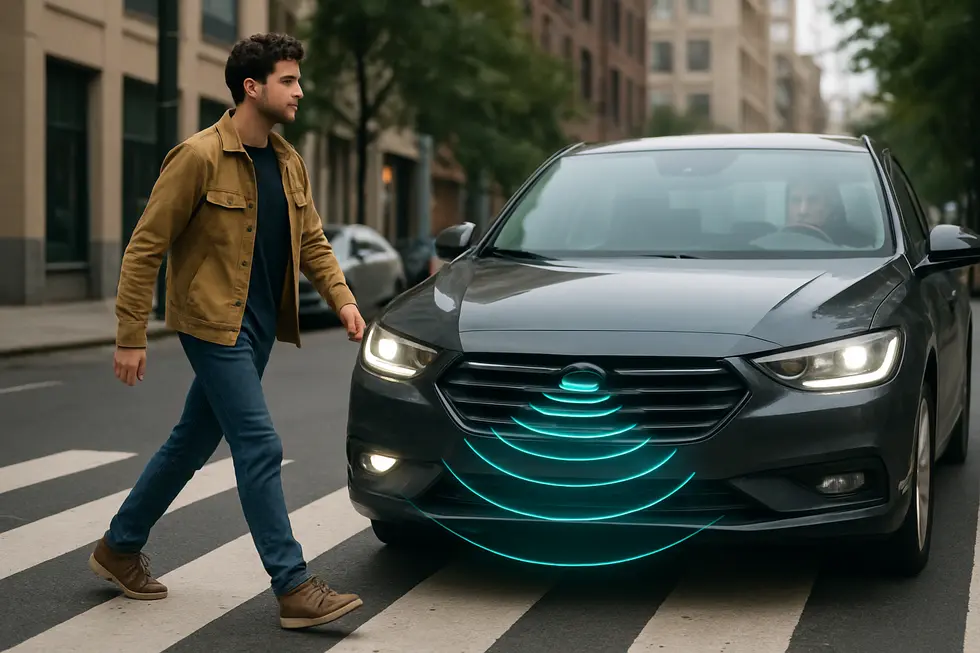
Urban environments are bustling with activity, and pedestrians remain among the most vulnerable road users. Modern vehicle safety systems now incorporate advanced pedestrian detection technology, utilizing a combination of sensors, cameras, and radar to identify pedestrians crossing the street ahead. As a vehicle approaches a crossing, these sensors continuously scan the surrounding environment, analyzing visual and infrared data to recognize human shapes and movements. When a pedestrian is detected, the system instantly assesses the potential risk based on distance, speed, and trajectory, enabling the vehicle to react appropriately. Visual alerts on the dashboard serve as immediate warnings to the driver, prompting increased awareness or initiation of braking maneuvers before a critical situation arises. This proactive approach significantly reduces the likelihood of accidents, especially in complex urban scenarios with unpredictable pedestrian behavior.
The sophistication of pedestrian detection systems extends beyond simple object recognition. Many systems incorporate predictive analytics to forecast pedestrian actions, such as crossing intentions or sudden movements into the vehicle’s path. This anticipatory capability ensures that the vehicle can respond even when pedestrians are partially obscured or when visibility is compromised by weather or lighting conditions. In dense cityscapes, where pedestrians often unexpectedly step onto the street from between parked cars or from behind obstacles, such technology serves as a vital safeguard.
Furthermore, the integration of pedestrian detection with emergency braking systems enhances overall safety. When the system confirms an imminent collision risk, it automatically applies brakes to mitigate or eliminate impact, often without driver intervention. This technology acts as a critical last line of defense, especially when human attention might falter during busy commutes. Implementing pedestrian detection not only enhances individual safety but also fosters a more harmonious coexistence between vehicles and pedestrians.
In order to maximize effectiveness, pedestrian detection functions best when combined with real-time traffic alerts and advanced driver-assistance systems. Regular updates and proper calibration ensure these sensors continue performing optimally in diverse urban scenarios. To stay informed about traffic conditions that might influence pedestrian safety, check out resources like traffic alerts for Houston’s freeways, which can help drivers plan routes that minimize interactions with pedestrians in high-traffic areas. Overall, as technology advances, the ability of vehicles to recognize and respond to vulnerable pedestrians becomes a cornerstone of safe urban driving, protecting lives and creating safer streets for everyone.
Final words
Investing in vehicles equipped with these top safety features can dramatically decrease the risks associated with traffic accidents. While no system can guarantee complete safety, these technologies provide vital assistance and protection, especially for those who are often injured in a car accident or hurt at work during commutes. Staying informed and choosing safer vehicles helps create safer roads for everyone, ultimately saving lives and reducing injuries.
Stay informed with real-time traffic accident alerts, alternative routes, and essential updates for Houston’s major freeways and surrounding areas.
Learn more: https://houstontrafficalert.com/stay-updated-with-real-time-traffic-alerts-for-houstons-freeways/
About us
Traffic Alert Services provide real-time updates on Houston traffic incidents, alternative routes, and essential information to ensure safer travel experiences and help those injured in a car accident or hurt at work stay informed and prepared.